Notes on design & the craft.
Practical guides and ideas for designers and digital creators.
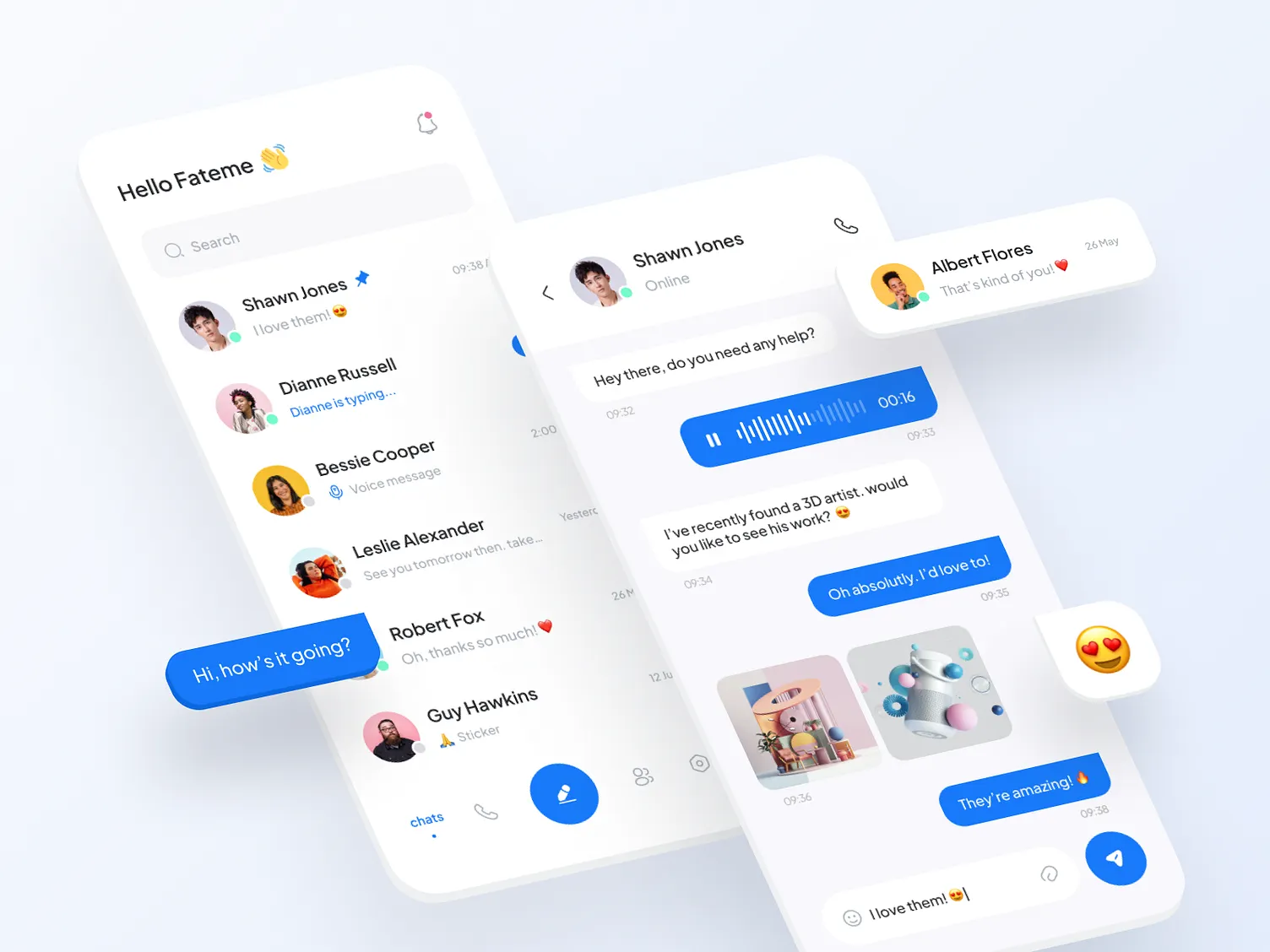
The Empty State Is Not an Afterthought
Empty states are not blank space to fill. They are the first real conversation your product has with a new user, and most teams treat them like an afterthought.
Read more →
Typography & spacing: the rhythm behind great interfaces
A type scale and a spacing system turn a messy layout into something that feels intentional — here is how to build both.
Read more →
Cognitive Load Is a Budget, Not a Preference
Every screen draws on a user's finite attention. Treat cognitive load as a budget to allocate, not a quality to polish, and design for the task instead of the interface.
Read more →
When a Dashboard Says Everything, It Says Nothing
A dashboard is an argument about what matters. Most fail because they refuse to make that argument and show everything instead.
Read more →
Filters Are a Symptom, Not a Solution
When a product keeps adding filters to 'fix' navigation, the real problem is usually the information architecture underneath.
Read more →
The Day Your Design System Becomes a Product
A component library becomes a product the moment it needs governance, versioning, and adoption. Here is what changes.
Read more →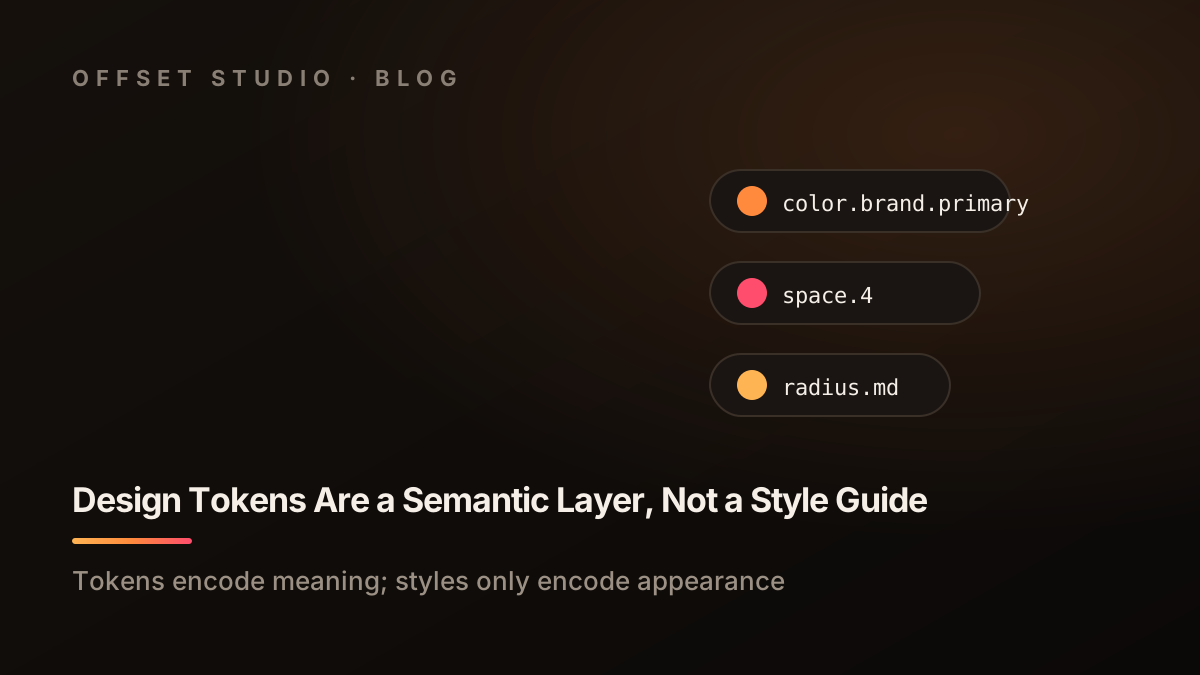
Design Tokens Are a Semantic Layer, Not a Style Guide
Design tokens encode meaning, not appearance. The difference decides whether your system scales or collapses.
Read more →
Every One-Off Component Is a Small Loan
Exceptions in a design system are debt. Small at first, they compound quietly until the system stops being the source of truth.
Read more →
Your Roadmap Lists Outputs; Your Team Ships Outcomes
Roadmaps reward outputs because they are easy to write down. Outcomes are harder to fake, and that is the point.
Read more →
Product Discovery Is Not a Phase You Exit
Discovery is a continuous loop that runs alongside delivery, not a gate you pass through once before building.
Read more →
Color contrast: the invisible rule behind readable design
Why the 4.5:1 ratio exists, how to test your palette in seconds, and the small fixes that make text readable for everyone.
Read more →
The PRD Is a Contract Nobody Actually Read
Long specs substitute documentation for shared understanding. Here is what a PRD should actually do.
Read more →
Why a Beautiful UI Can Still Lose You Money
Aesthetic quality and business performance are different systems. Beautiful interfaces can hide products that do not work.
Read more →
The Metric That Flatters You Is Probably the Wrong One
Vanity metrics feel like progress while hiding the truth. Here is how to pick numbers that actually matter.
Read more →
Designing for an Interface That Gets Things Wrong
AI error is a design surface, not an engineering bug. Designing for uncertainty changes what interfaces look like.
Read more →
Copilots and Autopilots: Where Do You Put the Human?
The human-in-the-loop decision is a product decision. Augmentation and automation are different products, not settings.
Read more →
From Screens to Problems: What Changes When You Become a Product Designer
Moving from UI to product design is not a skill upgrade. It is a change in what you are responsible for.
Read more →
Design tokens: the single source of truth your design system needs
What design tokens are, why they beat scattered hex codes, and how to name them so your whole team actually uses them.
Read more →